

Cheap car stickers can be worth buying, but only if they’re suitable for the job you want them to do.
A small decal for a weekend event doesn’t need the same material as graphics you’re planning to leave on your car for years. The problem isn’t that inexpensive stickers always perform badly. It’s that many buyers compare prices without considering how the sticker will actually be used.
That’s where disappointment often starts.
Understanding the differences between materials, adhesives and finishes makes it much easier to decide when a budget option is perfectly reasonable and when spending a little more is likely to deliver better long-term value.
Consider the Quality of the Material

The material often determines how well a sticker performs once it’s on your vehicle.
Two stickers can look almost identical when they arrive in the post, yet behave very differently after months of sunlight, rain and regular washing.
Rather than focusing purely on price, think about where the sticker will be fitted and how long you expect it to stay there.
A weekend show car that’s stored in a garage places very different demands on vinyl than a daily commuter parked outside throughout the year.
In general, automotive graphics are produced using either cast or calendared vinyl.
| Feature | Calendared Vinyl | Cast Vinyl |
| Best suited for | Flat or gently curved surfaces | Complex curves and long-term vehicle graphics |
| Flexibility | Lower | Higher |
| Conforms around bodywork | Good | Excellent |
| Typical use | Short to medium-term applications | Premium automotive graphics |
Most buyers won’t notice the difference on day one.
They’ll notice it months later if the material begins to shrink, lift or lose its finish.
The important point isn’t that one material is “better”. It’s that different materials suit different applications.
Understanding the difference between low vs high quality car stickers available helps you choose the right option for your expectations rather than simply your budget.
Compare Lifespan and Durability
Weather, sunlight and regular washing all affect how vehicle stickers age.
This doesn’t mean every inexpensive sticker will fail quickly, nor does it mean every premium product will automatically last for years.
How the sticker is used often matters just as much as its purchase price.
For example:
- A garage-kept weekend car places far less stress on vinyl than a vehicle driven daily through changing weather.
- A decorative sticker on a rear window experiences different conditions from a decal wrapped around curved body panels.
- A temporary event graphic has very different requirements from permanent vehicle branding.
Instead of asking:
“How long will this sticker last?”
A better question is:
“Will it last for as long as I need it to?”
Matching the product to the intended use usually leads to a better buying decision than comparing prices alone.
Think About the Overall Finish
The finish is often what people notice before they think about durability.
Even if a sticker remains attached to the vehicle, small details can influence how professional it looks.
These include:
- Clean, sharp edges.
- Consistent colour.
- Crisp print quality.
- Smooth application.
- A finish that complements the paintwork.
This is particularly important on larger graphics where imperfections are easier to spot.
It’s also worth thinking about whether a gloss or matte finish suits your vehicle’s styling. In many cases, weighing up gloss or matte finishes is less about trends and more about choosing a finish that complements the car’s existing design.
Check the Adhesive Quality
The adhesive often determines whether a sticker continues looking good after installation.
Many buyers concentrate on the printed design without considering what’s happening underneath it.
A poor-quality adhesive can lead to:
- Edges lifting.
- Bubbling during application.
- Difficulty positioning the sticker.
- Uneven adhesion across the surface.
- Premature peeling.
Before fitting any sticker, make sure the surface is clean, dry and free from polish or wax.
Even high-quality vinyl can struggle if it’s applied to a poorly prepared surface.
In many cases, installation has just as much influence on the final result as the material itself, and plays a massive role in making stickers last longer.
Consider How Easy They Are to Remove
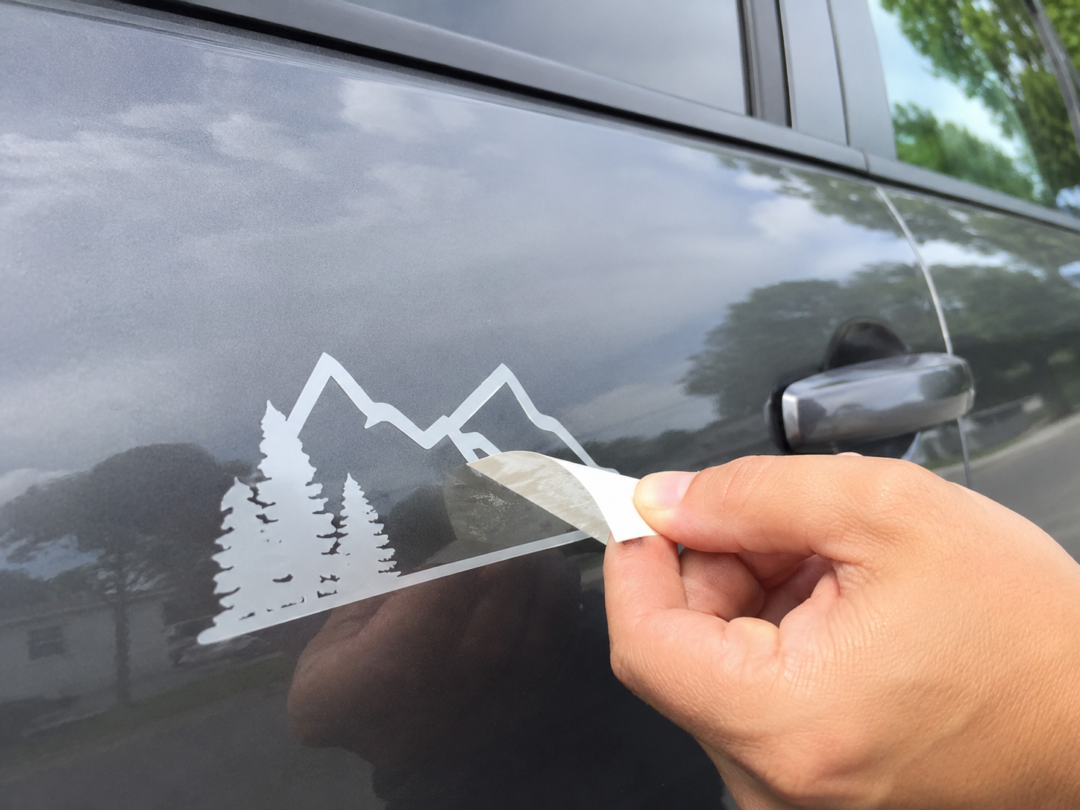
Not every sticker is intended to stay on your vehicle permanently.
If you expect to remove it later, it’s worth thinking about that before making a purchase.
Questions to ask include:
- Is the sticker intended as a temporary or long-term graphic?
- Will heat be required during removal?
- Could adhesive residue be left behind?
- Is the paintwork in good condition before application?
These considerations become particularly important on older vehicles where the condition of the paint may vary across different panels.
Removing a well-applied automotive sticker is often straightforward when carried out carefully, but older paintwork always deserves a little extra caution.
Compare Short-Term Cost with Long-Term Value
The cheapest sticker isn’t always the least expensive option over time.
Likewise, paying more doesn’t automatically represent better value.
The key is choosing a product that’s appropriate for how you’ll use it.
| Budget Option | Higher Quality Option |
| Lower upfront cost | Higher initial investment |
| Well suited to temporary use | Better suited to long-term applications |
| May require earlier replacement | Less frequent replacement where appropriate |
| Can vary in finish | More consistent finish |
| Removal experience may vary | Often designed with cleaner removal in mind |
The better question isn’t:
“Which sticker costs less?”
It’s:
“Which one gives me the value I’m actually looking for?”
Look at Customer Reviews Before Buying
Reviews often reveal things that product descriptions can’t.
Rather than focusing only on star ratings, look for feedback that explains how the sticker performed after it had been fitted for a while.
Useful reviews often mention:
- Ease of application.
- Long-term appearance.
- Colour consistency.
- Customer photographs.
- Whether buyers would purchase again.
You can also learn a lot by reading about why stickers get damaged, as recurring problems often highlight issues with installation, surface preparation or unsuitable materials rather than the vinyl itself.
Choose a Supplier That Prioritises Quality
A good supplier should help you choose the right product, not simply the most expensive one.
Look for businesses that are open about:
- The materials they use.
- The intended application.
- Installation guidance.
- Available finishes.
- Product suitability.
The more information you’re given before buying, the easier it becomes to choose confidently.
At Demon Graphics, that’s the approach we believe works best. Helping customers understand the differences between materials often leads to better decisions than focusing on price alone.
Choose the Sticker That Matches the Job
Cheap car stickers are worth buying when they match your expectations.
If you’re fitting a temporary decal for an event or experimenting with a new design, a budget-friendly option may be all you need.
If you’re investing in graphics that you expect to look good through regular driving, changing weather and routine washing, material quality, adhesive performance and finish become much more important.
Price is only one part of the decision.
Understanding how the sticker will be used is what really determines whether it represents good value.
If you’re comparing options and want to browse car stickers designed specifically for automotive use, take the time to compare the materials, finishes and application guidance as carefully as you compare the price.
Looking for something more specific to your situation? Then why not contact us for more help at Demon Graphics where we can advise on your set-up and how best to get the right graphics and vinyls for your situation.


