

Owning an older car doesn’t automatically mean it has to look old.
Many drivers are perfectly happy with how their vehicle performs, but feel its appearance no longer reflects how well it drives. Perhaps the paint has lost its shine, the headlights have become cloudy, or the wheels have picked up years of kerb damage. None of these issues necessarily justifies replacing the car, but together they can make an otherwise reliable vehicle feel tired.
The good news is that refreshing an older car on a budget is often about making smarter decisions rather than spending more money. Some of the most noticeable improvements cost very little, while expensive upgrades can sometimes make almost no difference if they’re applied in the wrong order.
That’s why our guide focuses on the improvements that offer the greatest visual impact for your budget. From restoring neglected trim to choosing subtle graphics that complement your car rather than overpower it, you’ll learn how to modernise an older vehicle without losing its character or overspending.
Whether your goal is to enjoy your daily driver for a few more years or simply improve its appearance, thoughtful cosmetic upgrades can often make your car feel newer than its registration suggests. If you’re looking beyond budget-friendly improvements, there are plenty of different ways to personalise your car without losing its original character.
Before You Buy Anything, Follow the Refresh Ladder
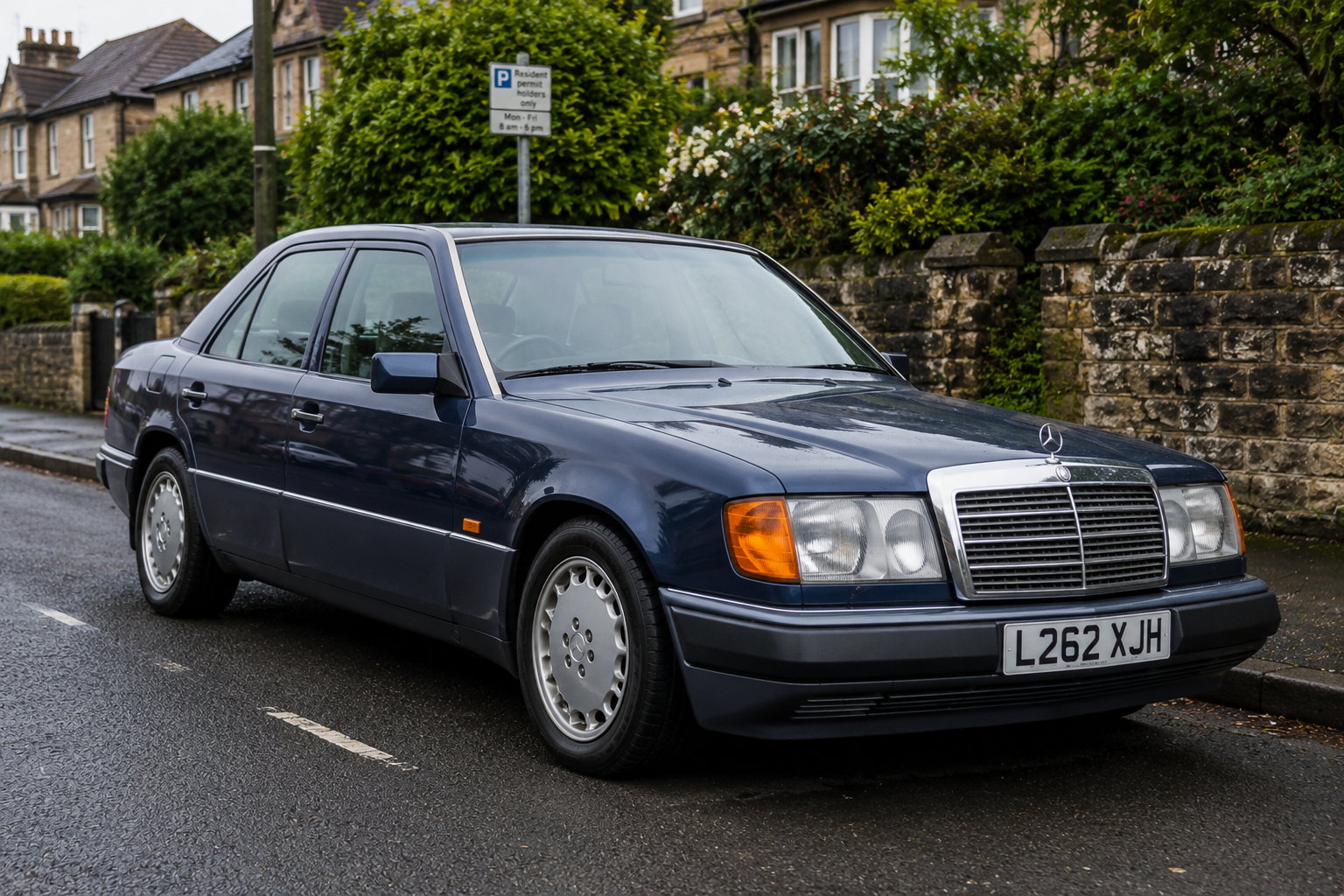
Refreshing an older car isn’t about buying as many accessories as possible. It’s about improving the areas that people notice first.
One of the biggest mistakes enthusiasts make is starting at the wrong end of the project. They order graphics, badges or aftermarket accessories before dealing with years of built-up wear, faded trim or neglected paintwork.
The result? Every new modification draws attention to the parts of the car that still look tired.
At Demon Graphics, we prefer to think about vehicle styling as a simple progression rather than a shopping list.
Stage One: Restore
Remove the signs of age.
- Clean the paint thoroughly.
- Restore faded trim.
- Repair small chips.
- Polish cloudy headlights.
These improvements don’t change the car. They reveal what was already there.
Stage Two: Refresh
Now improve the areas that have naturally worn over time.
This might include:
- Refurbishing tired wheels.
- Replacing worn interior accessories.
- Refreshing number plate surrounds.
- Restoring black plastic trim.
- Improving lighting.
The aim is to make the car feel cared for again.
Stage Three: Enhance
Only now should you begin adding styling upgrades.
Subtle car stickers, OEM-inspired decals and carefully designed car graphics work best when they’re complementing a well-presented vehicle rather than trying to disguise neglect.
Done well, these details can modernise an older model without making it feel over-modified.
Stage Four: Personalise
Finally, add the finishing touches that reflect your own taste.
This could include:
- Wheel badges
- Motorsport-inspired graphics
- Colour accents
- Vinyl decals
- Number plate surrounds
The difference is that you’re now building on a clean, well-maintained foundation.
That almost always produces a better result than fitting accessories to a vehicle that still looks tired underneath.
Give Your Car a Thorough Clean Inside and Out
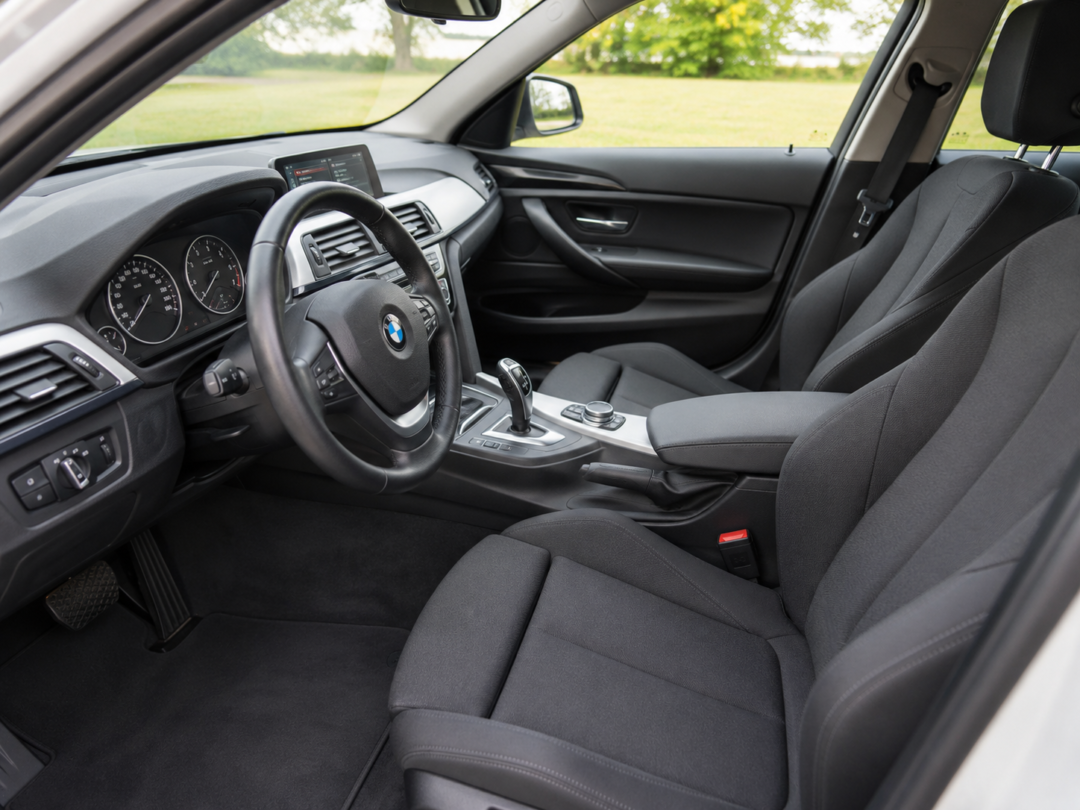
Before buying any upgrades, give your car a deep clean. Dirt, faded trim and neglected interiors often make vehicles look older than they really are.
It’s surprising how many owners jump straight into modifications without first seeing what condition the car is actually in.
Years of road grime can dull paintwork. Brake dust hides the finish on alloy wheels. Plastic trim turns grey.
The interior collects stains that gradually become “normal” simply because you’ve stopped noticing them.
A thorough clean won’t transform your car overnight, but it creates the foundation that every other improvement depends on.
Start with the Exterior
Rather than rushing through a standard wash, spend time removing contaminants that ordinary shampoo leaves behind.
Consider:
- Snow foam pre-wash.
- Two-bucket wash method.
- Iron fallout remover.
- Tar remover.
- Clay bar treatment where appropriate.
These steps help reveal the true condition of the paint before deciding whether further work is needed.
You may find the finish already looks dramatically better without buying a single styling product.
Restore Exterior Trim
Black plastic trim often fades long before painted panels.
These might include your mirror bases, scuttle panels, wheel arch trims and lower bumpers.
Once these lose their colour, the whole car starts to appear older.
Applying a quality trim restorer can make these areas look noticeably fresher and improve the contrast across the entire vehicle.
It’s one of the highest visual-impact upgrades you can make for relatively little cost.
Don’t Ignore the Wheels
People naturally notice wheels because they frame the entire vehicle.
Dirty alloys immediately make a car feel neglected.
Take the time to:
- Remove embedded brake dust.
- Clean behind the spokes.
- Dress the tyres.
- Check for peeling lacquer.
Even before considering refurbishment or styling upgrades, simply presenting the wheels properly changes how the whole vehicle is perceived.
Refresh the Interior
The inside of your car matters just as much as the outside because it’s the part you experience every day.
Focus on:
- Deep-cleaning carpets.
- Removing stains from seats.
- Cleaning air vents.
- Restoring dashboard plastics.
- Wiping door shuts.
- Eliminating unwanted smells.
A fresh interior doesn’t just improve appearance.
It changes how the entire vehicle feels to drive.
One Area Many Owners Forget
Open the bonnet.
You don’t need to detail the engine bay to concours standards, but removing years of dust, leaves and dirt helps reinforce the impression that the car has been looked after.
If you’re planning to photograph the vehicle for sale later, this small detail often contributes to an overall impression of careful ownership.
Why Cleaning Should Always Come First
Imagine spending hundreds of pounds on graphics only to fit them over oxidised paint. Or installing new wheel badges onto alloys covered in baked-on brake dust.
The upgrades themselves aren’t the problem. The order is.
Cleaning first allows you to see which areas genuinely need attention and which simply needed a little care. Once the paint is properly cleaned, it’s much easier to identify the small marks that benefit from hiding paint imperfections before moving on to cosmetic upgrades.
It’s also the point where many owners realise their car looks far better than they expected before spending any money at all.
Restore Faded Headlights
Cloudy headlights instantly age a vehicle, but many can be restored without replacing the entire unit.
Few cosmetic issues make a car look older as quickly as oxidised headlight lenses. Even a well-maintained vehicle can lose its sharp, modern appearance when the headlights become hazy or yellowed.
Fortunately, many lenses respond well to restoration kits or professional polishing, depending on the severity of the damage.
Before replacing the units entirely, inspect them closely.
If the cloudiness is only on the surface, restoration is often worth considering. If the plastic has cracked internally or moisture has entered the housing, replacement may be the better long-term solution.
The improvement isn’t just visual. Clearer headlights can also improve light output, although results vary depending on the condition of the units and should never be assumed.
More importantly for this guide, restoring the headlights often changes how people perceive the age of the entire front end.
Many owners are surprised by how much newer their car appears after addressing this single detail.
A Common Styling Mistake
One of the biggest mistakes we see is adding graphics or cosmetic upgrades before restoring cloudy headlights.
The eye naturally focuses on the headlights when viewing the front of a vehicle. If they look tired, every styling improvement around them competes with that ageing appearance.
Addressing them first creates a cleaner foundation for every upgrade that follows.
Refresh the Look with Car Stickers
Well-designed car stickers can modernise an older vehicle for a fraction of the cost of repainting or replacing body panels.
When people hear “car stickers”, they often picture oversized graphics, novelty decals or heavily modified show cars. In reality, some of the most effective styling upgrades are the ones you barely notice at first glance.
A subtle stripe, an OEM-inspired badge decal or a carefully positioned colour accent can refresh an ageing car without changing what made it appealing in the first place.
The key is understanding the difference between adding personality and adding clutter.
Less Often Achieves More
One of the easiest mistakes to make is treating every available panel as an opportunity to add another sticker.
Instead, ask yourself:
If I removed this decal, would the car actually look worse?
If the answer is no, it probably doesn’t belong there.
The best styling upgrades feel intentional. They complement the vehicle’s original design rather than competing with it.
For example, an older Volkswagen Golf with a subtle GTI-inspired side stripe can look remarkably fresh because the graphic follows the body’s natural lines. The same car covered in multiple unrelated decals quickly loses that clean, factory-inspired appearance.
Good styling shouldn’t make people wonder what’s been added.
It should make them wonder whether it was always there.
Match the Car, Not the Trend
Every vehicle has its own design language.
A classic MINI suits bold contrasting roof graphics because the shape already embraces playful styling.
A Porsche often benefits from understated motorsport-inspired decals that complement its proportions rather than dominate them.
A family hatchback usually looks best with restrained accents that modernise the appearance without pretending to be something it isn’t.
This is why copying another car’s styling rarely produces the same result.
The graphic might look fantastic on one vehicle but feel completely out of place on another.
Instead of asking, “What’s popular?”
Ask: “What already suits this car?”
That simple shift in thinking usually leads to a much cleaner result.
Think About Your Paintwork First
Before applying any new graphics, take an honest look at the paint beneath them.
Adding decals to faded lacquer, heavily oxidised panels or damaged paint rarely hides the problem. More often, it highlights it.
Vinyl sits best on clean, well-prepared surfaces where the colour underneath is consistent. If one door has noticeably faded compared with the rest of the car, even perfectly applied graphics may emphasise the difference.
That’s another reason why the earlier restoration stages matter so much.
Well-prepared paint gives graphics the opportunity to enhance the car rather than distract from existing imperfections.
Stickers don’t always have to make a bold statement. There are plenty of creative ways to use car stickers that add personality while keeping the overall styling clean and balanced.
Transform Its Appearance with Car Graphics
Strategically placed graphics can completely change how an older car is perceived, but only when they’re chosen with restraint.
This is often where people assume bigger automatically means better. It doesn’t.
The most successful graphics work with the vehicle’s shape, guiding your eye along existing body lines instead of interrupting them.
Think about why factory performance models often look so cohesive.
Manufacturers don’t decorate every surface; they emphasise proportions.
That’s exactly the approach worth borrowing when refreshing an older car.
Before and After: A Different Way of Thinking
Imagine two identical 2012 Ford Fiestas.
The first receives:
- Large bonnet graphics
- Oversized windscreen banner
- Multiple sponsor decals
- Bright contrasting mirrors
- Coloured wheel trims
The second receives:
- A professional machine polish
- Refreshed trim
- Restored headlights
- Tasteful side stripes
- New wheel badges
- Clean number plates
Which one looks newer?
For most people, it’s the second. Not because it has more modifications; because every improvement works towards the same goal.
Refreshing an older vehicle isn’t about making it louder. It’s about making it look better cared for.
Colour Matters More Than Most People Realise
Graphics shouldn’t fight against the existing paint colour.
Instead, they should reinforce it.
For darker vehicles, subtle silver, satin grey or gloss black accents often create depth without becoming distracting.
Brighter paint colours usually benefit from more restrained contrasts that complement the original finish rather than overpower it.
This is another reason OEM-inspired graphics work so well. Manufacturers spend years refining colour combinations.
There’s nothing wrong with taking inspiration from that approach.
The Biggest Mistake We See
One mistake appears repeatedly.
Owners choose graphics because they like the design, not because it suits their specific vehicle.
A graphic can look outstanding on one model and completely overwhelm another simply because the proportions are different.
Before ordering any graphics, stand back and ask:
- Does this follow the body’s natural shape?
- Will it still look right from ten metres away?
- Does it enhance the car, or simply add more visual noise?
If you hesitate answering those questions, a simpler design is usually the safer choice.
The most successful graphics rarely demand attention. They earn it.
Upgrade Your Wheels
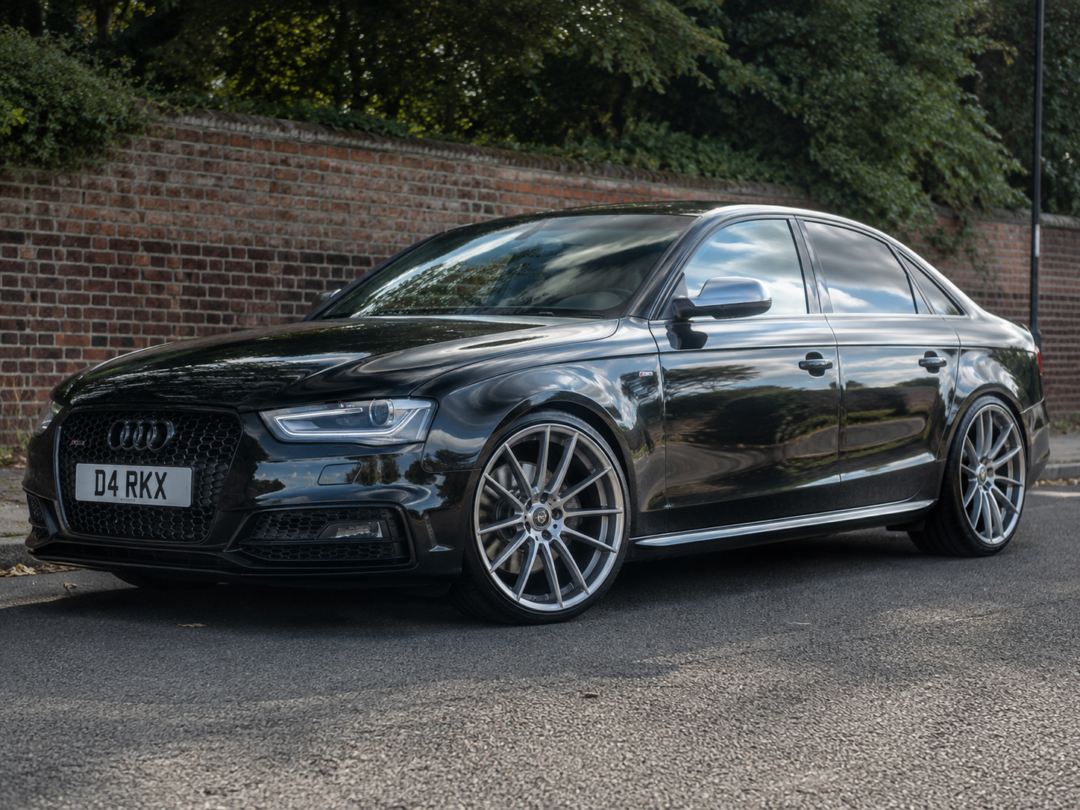
Few upgrades change the overall appearance of a car as dramatically as improving its wheels.
Even if the paintwork is immaculate, tired wheels immediately suggest the rest of the vehicle has been neglected.
Fortunately, improving them doesn’t always mean buying a new set of alloys.
Often, the biggest transformation comes from restoring what’s already there.
Start with the Basics
Before considering replacement, assess the current condition.
- Is the finish simply dirty?
- Has brake dust become embedded?
- Are there minor kerb marks?
- Has the lacquer started peeling?
Many wheels respond remarkably well to a thorough clean and careful refurbishment.
Sometimes that’s all they need.
Small Details Make a Big Difference
Once the wheels themselves look presentable, it’s worth looking at the finer details.
Fresh wheel badges are often overlooked because they’re relatively small, yet they’re positioned directly in the centre of every wheel.
Replacing faded, cracked or peeling badges can subtly modernise the entire wheel without changing its original design.
It’s the sort of upgrade people notice without necessarily realising why the car suddenly looks fresher.
Tyres Matter Too
Clean alloys mounted on neglected tyres still leave the car looking unfinished.
Properly dressed tyres create contrast against freshly cleaned wheels and help complete the overall appearance.
Like many of the improvements in this guide, it’s not about adding something new.
It’s about presenting what’s already there more effectively.
If refurbishment isn’t enough, there are several ways to customise your alloys without replacing them entirely, helping you modernise their appearance while still keeping the overall styling subtle.
Replace Worn Interior Accessories
Refreshing the cabin often makes an older car feel newer every time you drive it.
While most cosmetic upgrades focus on what other people see, the interior shapes your experience every time you get behind the wheel.
It’s also where signs of age become most obvious.
A shiny steering wheel. Flattened floor mats. A worn gear knob. Faded switchgear.
Individually, it’s not a clear tell-tale, but together they constantly remind you of the car’s age.
Focus on the Areas You Touch Most
Rather than replacing everything, concentrate on the parts you interact with every day.
For example:
- Steering wheel.
- Gear knob.
- Handbrake.
- Floor mats.
- Pedals.
Improving these touchpoints often has a greater effect than replacing decorative trim pieces elsewhere in the cabin.
Keep It Consistent
One common mistake is mixing too many aftermarket finishes.
Carbon-effect trim, bright anodised accessories, chrome stick-on parts, gloss black covers; individually they may look appealing, but together they rarely feel cohesive.
If your goal is to refresh an older car rather than completely redesign it, consistency almost always produces a better result.
Add Affordable Exterior Accessories
Small exterior upgrades can modernise an older vehicle without changing its character.
Once the larger improvements are complete, these finishing touches help bring everything together.
Consider:
- Premium number plate surrounds.
- Refreshed badges.
- Wind deflectors.
- OEM-style styling accents.
- Replacement trim pieces where required.
These accessories shouldn’t become the focus of the vehicle.
Instead, they should quietly reinforce the impression that the car has been well looked after.
A useful rule is this:
If someone notices the accessory before they notice the car, it’s probably too much.
The best finishing touches are the ones that make the whole vehicle feel more complete, not more complicated.
Keep Up with Regular Maintenance
A well-maintained car almost always feels newer to own, even if its age hasn’t changed.
It’s easy to separate styling from maintenance, but the two are closely connected. A vehicle that’s mechanically reliable, clean and properly looked after creates a far stronger impression than one with expensive modifications hiding obvious neglect.
Regular maintenance also protects the cosmetic improvements you’ve already invested in. Fresh graphics, restored trim and clean paintwork all benefit from consistent care.
Protect the Improvements You’ve Already Made
Refreshing an older car isn’t a one-off project. Once you’ve invested time into improving its appearance, simple maintenance helps preserve those results.
Focus on:
- Washing the vehicle regularly to prevent contaminants damaging the paint.
- Removing bird droppings and tree sap as soon as possible.
- Checking graphics and decals for lifting edges.
- Cleaning alloy wheels before brake dust becomes embedded.
- Keeping tyres correctly inflated and dressed.
- Replacing damaged bulbs promptly.
- Repairing minor chips before they develop into larger problems.
None of these tasks are particularly expensive, but together they help your car continue looking cared for.
A Clean Car Always Looks Newer
One interesting thing becomes obvious when you compare enthusiast-owned cars with neglected examples of the same model.
The mileage often isn’t what makes one appear older, but its presentation.
Two identical ten-year-old hatchbacks can look completely different simply because one has been consistently maintained while the other has gradually accumulated years of small cosmetic issues.
Good maintenance doesn’t disguise a car’s age; however, it does change how people perceive it.
Budget Refresh Plans by Spend Level
Not every refresh needs the same budget. Prioritising the right improvements usually delivers better results than simply spending more.
Many owners assume they need several hundred pounds before they can noticeably improve their vehicle.
In reality, careful planning often produces a much bigger visual improvement than a larger budget spent on the wrong upgrades.
Under £50
If you’re working with a very limited budget, focus on restoration before styling.
Prioritise:
- Thorough exterior wash and decontamination.
- Interior deep clean.
- Tyre dressing.
- Plastic trim restorer.
- Small cosmetic touch-up products.
- Subtle stickers or decals that suit the vehicle.
Visual impact: ★★★★★
This is the point where many owners realise their car already looks significantly better before making any major styling decisions.
£50–£200
With a little more flexibility, you can begin introducing carefully chosen cosmetic upgrades.
Consider:
- Headlight restoration.
- Wheel badges.
- OEM-inspired decals.
- Premium number plate surrounds.
- Minor interior accessories.
- Selected exterior styling enhancements.
This budget works particularly well for owners who want to modernise their daily driver without dramatically changing its appearance.
Visual impact: ★★★★★
£200–£500
At this level, you can begin combining restoration with more noticeable styling improvements.
Possible upgrades include:
- Professional paint correction where appropriate.
- Alloy wheel refurbishment.
- Professionally produced vehicle graphics.
- Higher-quality detailing products.
- Multiple cosmetic improvements completed together.
The important point isn’t spending more.
It’s making sure each improvement complements the others.
A coordinated refresh almost always looks better than several unrelated modifications completed over time.
Visual impact: ★★★★★
Which Upgrades Deliver the Biggest Visual Impact?
Not every upgrade offers the same return for your money.
Some improvements immediately change how an older car is perceived, while others are far more subtle.
The table below reflects the changes that typically make the greatest visual difference relative to their cost.
| Upgrade | Budget | Difficulty | Visual Impact |
| Deep clean and decontamination | £ | Easy | ★★★★★ |
| Headlight restoration | £ | Easy | ★★★★★ |
| Trim restoration | £ | Easy | ★★★★☆ |
| OEM-inspired graphics | ££ | Easy | ★★★★★ |
| Wheel badges | £ | Easy | ★★★★☆ |
| Premium number plate surrounds | ££ | Easy | ★★★☆☆ |
| Interior refresh | ££ | Easy | ★★★☆☆ |
| Alloy refurbishment | £££ | Medium | ★★★★★ |
| Paint correction | £££ | Medium | ★★★★☆ |
One thing quickly becomes apparent.
The biggest improvements aren’t necessarily the most expensive.
They’re often the ones that remove years of wear before adding anything new.
When Is It Better to Upgrade Rather Than Replace?
Refreshing an older car isn’t always the right decision.
Sometimes, putting money into your current vehicle makes perfect sense. Sometimes, it doesn’t.
The important thing is understanding the difference.
Refresh It If…
Refreshing your current car is often worthwhile when:
- You’re happy with how it drives.
- The vehicle remains reliable.
- Most issues are cosmetic rather than mechanical.
- You simply want it to feel newer.
- The styling has become dated rather than damaged.
In these situations, thoughtful cosmetic improvements can help you enjoy the vehicle for much longer.
Consider Replacing It If…
Styling upgrades shouldn’t become a substitute for major repairs.
It may be better to replace the vehicle if:
- Structural corrosion is becoming significant.
- Mechanical repair costs continue increasing.
- The car no longer suits your lifestyle.
- Cosmetic improvements would only disguise more serious underlying problems.
One of the most valuable upgrades you can make is knowing when to stop spending.
That isn’t admitting defeat.
It’s making a sensible decision.
Refresh, Don’t Reinvent
One final thought is worth keeping in mind.
Older cars often look their best when owners work with the original design rather than trying to disguise it.
Factory-inspired styling usually ages far better than following short-term trends.
That might mean:
- Choosing subtle graphics instead of oversized decals.
- Adding colour accents rather than completely changing the appearance.
- Refreshing original wheels instead of replacing them.
- Restoring trim before fitting aftermarket accessories.
The goal isn’t to make people believe your car is brand new.
It’s to make them think:
“That car has been exceptionally well looked after.”
That’s a far more realistic, and often more satisfying, outcome.
Refreshing an Older Car Is About Making Better Decisions, Not Bigger Purchases
Refreshing an older car on a budget isn’t about chasing the latest styling trend or replacing perfectly good parts.
It’s about identifying the areas that have the greatest influence on how the vehicle is perceived, then improving them in a logical order.
Start by restoring what’s already there.
Address the details that naturally show age, such as faded trim, cloudy headlights and worn interior touchpoints.
Only then should you begin introducing subtle styling upgrades that complement the vehicle rather than compete with it.
Done well, affordable changes such as carefully chosen graphics, tasteful decals, refreshed wheel details and premium finishing touches can modernise an older car without losing the character that made you want to keep it in the first place.
Once you’ve restored the areas that matter most, it’s much easier to choose vehicle styling products that genuinely complement your car rather than trying to disguise its age. Thoughtful finishing touches almost always have more impact than simply adding more accessories.
Have any more questions to get the most out of your car, in terms of how it looks on the road? Get in touch with us at Demon Graphics and we can advise and guide you through so many options we have available.


