

Audi has built its reputation on precision engineering and disciplined design.
Each surface is intentional. Each line serves a purpose. The result is a vehicle that oozes confidence through restraint rather than excess.
On a car designed with such control, small details carry real visual weight. Wheel badges may appear minor, yet they sit at the centre of one of the most visible components on the vehicle.
When proportion, finish and fitment align correctly, the entire car feels complete. When they do not, though, the impact is immediate.
For Audi owners who value OEM+ styling and clean presentation, the right wheel badges are not an afterthought; they are part of the design language.
Why Wheel Badges Matter More Than You Think on an Audi
Wheels dominate the lower half of the vehicle. They frame the stance, influence perceived performance and draw attention whether parked or in motion. At the centre of each alloy sits the badge, acting as a visual anchor.
Symmetry across all four wheels matters. A consistent finish, correct sizing and sharp emblem detail reinforce Audi’s precision-focused identity. Subtle refinements often define premium styling more than bold modifications.
Audi’s design philosophy rewards balance. The wheel centre cap becomes part of that balance, tying together grille finish, window trims and brake hardware into one cohesive statement.
What Are Audi Wheel Badges?
Audi wheel badges, commonly referred to as Audi wheel centre caps or Audi alloy centre caps, are circular inserts fitted into the middle of each alloy wheel. Their primary function is practical. They protect the hub assembly from dirt, moisture and debris.
At the same time, they display the four-ring Audi emblem, reinforcing brand identity at every angle. The badge becomes both protective component and design feature.
When correctly specified, the badge integrates seamlessly into the alloy, maintaining factory-level fitment and visual clarity.
How Wheel Badges Affect the Overall Look of an Audi
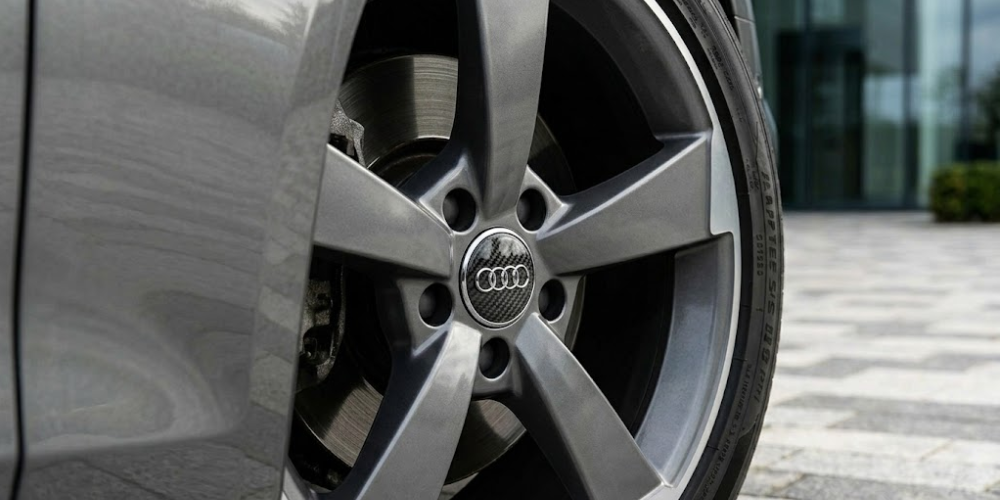
Finish plays a defining role. Matte badges introduce a subdued, motorsport-inspired feel. Gloss finishes create sharper contrast against darker alloys. On Black Edition models, black Audi wheel badges can reinforce the shadow-line aesthetic already present across grille, mirrors and window trims.
Contrast must be deliberate.
A silver badge against diamond-cut alloys maintains a traditional OEM appearance whilst a gloss black emblem on anthracite wheels introduces a more contemporary edge. On lighter alloys, darker badges can create a focal point that sharpens the wheel’s geometry.
Alignment with trim packages matters. S-Line and RS styling cues rely on coherence. The wheel centre cap should echo the car’s broader finish choices rather than compete with them.
Common Types of Audi Wheel Badges Explained
Audi offers a range of finishes, and the aftermarket has developed premium alternatives that respect the original design language. Understanding the differences helps maintain authenticity.
- Standard Silver OEM Style
The classic silver background with chrome rings. Clean, balanced and suited to most A-Series models. - Gloss Black Badges
Ideal for Black Edition or de-chromed builds. Black Audi wheel badges introduce contrast without overstating the modification. - S-Line or RS-Inspired Finishes
Often incorporating subtle red detailing or darker backgrounds. Audi RS wheel caps are typically paired with performance models where the styling is already more assertive. - Carbon-Look Variants
Designed to complement carbon trim elements or splitters. Best applied carefully to avoid visual overload.
For further ideas on restrained upgrades, see our guide on how to personalise your car without compromising factory styling.
Why the Wrong Wheel Badges Can Cheapen an Audi’s Appearance
Low-grade plastics can appear dull or uneven in finish. Poorly printed logos may fade under UV exposure, losing the crisp definition associated with the Audi emblem.
Incorrect sizing creates gaps or uneven seating within the alloy recess. Off-centre installation disrupts symmetry, drawing attention for the wrong reasons, and anything overly reflective or heavily stylised finishes can clash with Audi’s understated design language.
Premium cars rely on precision. Even minor inconsistencies become noticeable when the surrounding design is controlled and refined.
Differences Between Genuine and Aftermarket Audi Wheel Badges
Genuine OEM badges are manufactured to precise factory tolerances. Fitment is exact, and materials are tested for long-term exposure to weather and brake dust.
Premium aftermarket Audi wheel centre caps can achieve comparable results when produced with high-grade plastics, UV-resistant coatings and accurate clip mechanisms. Lower-tier options often sacrifice material quality, leading to fading, cracking or loose fitment.
Warranty considerations vary. Genuine parts may align with manufacturer coverage, whereas aftermarket components depend on supplier guarantees.
The key distinction lies in precision and durability. A well-made aftermarket badge can preserve factory aesthetics without compromise.
How Audi Wheel Badges Vary Across Models and Trims
Different Audi ranges use varying centre cap diameters and finishes. A-Series models often feature traditional silver emblems, though S-Line trims may introduce darker accents.
RS models frequently use darker backgrounds or performance-inspired detailing, aligning with their more aggressive stance. Audi RS wheel caps should reflect the character of the model rather than appear as an afterthought.
SUV variants within the Q-Series may use slightly different sizing depending on wheel specification. Electric e-tron models sometimes feature unique finishes that reflect their modern design identity.
Accurate measurement remains essential. Alloy diameter does not always indicate centre cap size.
Signs Your Audi Wheel Badges Need Replacing
Wheel badges experience constant exposure to heat, brake dust and environmental debris. Over time, deterioration becomes visible.
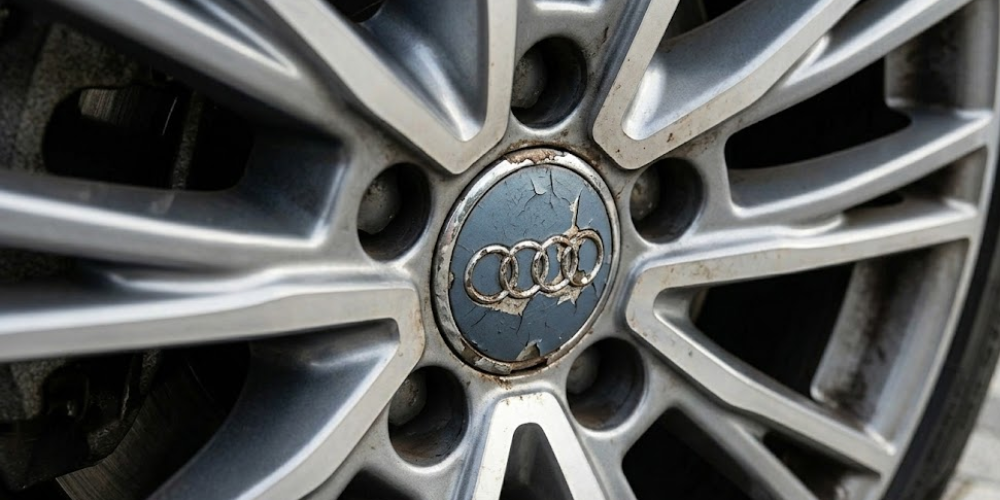
Common indicators include:
- Fading or peeling of the four-ring logo
- Surface scratches from kerbing or debris
- Loose or rattling centre caps
- Discolouration caused by brake dust build-up
Replacing worn Audi alloy centre caps restores clarity and symmetry across all four wheels.
What to Know Before Buying Audi Wheel Badges
Begin with measurement. Remove one existing centre cap and confirm the diameter in millimetres. Audi models commonly use sizes such as 60mm or 69mm, though variation exists across years and trims.
Check the rear clip mechanism. Compatibility must match your specific alloy design to avoid loose fitment. Review finish carefully. The badge should complement grille colour, window trim and overall styling theme.
Weather resistance matters. UV-stable coatings prevent fading. Durable materials resist cracking under temperature shifts and road debris.
Investing in well-made premium car wheel badges preserves the disciplined aesthetic Audi owners expect.
Audi design is built on measured refinement. Each element contributes to a unified presentation, from headlamp detailing to alloy specification. Wheel centre caps sit at the heart of that presentation.
Choosing the correct finish, size and material protects both aesthetics and long-term durability. For owners who value OEM+ styling and subtle enhancement, this detail deserves careful consideration.
If you would like guidance selecting the right fitment or finish, you can contact us at Demon Graphics for tailored advice.


